


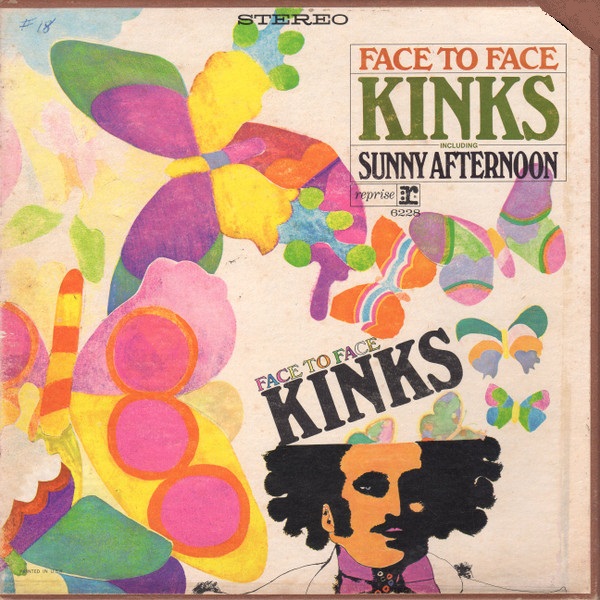
 In these days of streaming, mp3 files, and super-expensive vinyl editions of classic albums, most music lovers of today are blissfully unaware of a super-cheap method Baby Boomers used to build their record collections back in the day – the “cut-out” album or 45!
These were older releases that the record labels were “cutting out” of their catalog, meaning the label would no longer press new copies of these recordings because sales had dwindled to extremely low levels. These records were then sold, in bulk to wholesalers, who in turn sold them to record stores or large discount chains (think of the forerunners of Wal-Mart, like Zayres and Arlens).
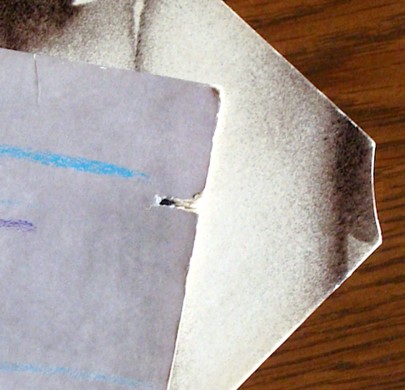 To prevent retailers from selling these heavily discounted items at full price, the label would disfigure the record in some way before selling them to the wholesalers. For albums, that meant clipping a corner of the LP’s cover, adding a slot to the cover, or even a small metal grommet. For 45s, it usually involved boring a hole right through the single’s label.
At a time when LPs typically were selling for $3 to $4 and singles at $0.79 to $1, cut-outs could come as cheaply as $0.69 for an album and $0.29 for a 45. If you were a savvy rock fan, you could build an impressive collection for literally pennies on the dollar. Nearly every recording act (with the singular exception of the Beatles) had at least some of their catalog hit the cut-out bin at one time or another. Early albums by the Who, the Rolling Stones, the Kinks, and Pink Floyd (pre-Dark Side of the Moon) could be found in abundance. Ditto for 45s that featured B-sides that never made it onto an act’s albums.
When computers arrived with software that allowed for easy ripping of CDs along with early music-sharing sites like Napster, the entire notion of paying retail for music became quite quaint, joining the rotary phone, trading stamps, and manual transmissions in oblivion. But among the small group of dedicated vinyl collectors, those cut-out editions are now often worth more than the legitimate full retail copies. Had we only known, we’d have saved a lot of ours.