


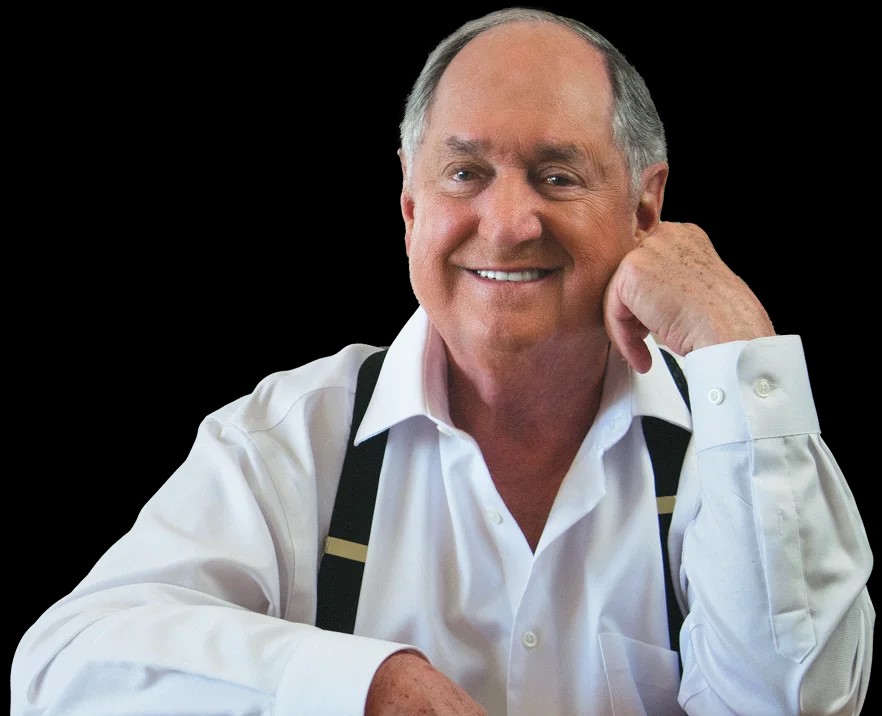
 We’ve lost another of the pioneering figures in rock & roll. Legendary singer-songwriter Neil Sedaka has passed away at the age of 86.
A gifted musician, Sedaka earned a scholarship to the prestigious Juilliard School of Music. His mother hoped he would become a famous classical pianist. However, as Neil entered his teen years, he discovered and fell in love with rock & roll.
Sedaka got his professional start at 18, when he and his songwriting partner, childhood friend Howard Greenfield, were signed to Aldon Music, the most influential music publisher of what has come to be known as the Brill Building sound. That sound came from songwriters who worked out of two buildings about two blocks apart in downtown Manhattan in the late 1950s and early 1960s. Sedaka sold his first song to Connie Francis in 1958. She took “Stupid Cupid” all the way to #14. Shortly thereafter, Sedaka began singing his own compositions. His first single for RCA, “The Diary,” also reached #14 on the national charts, but several of his follow-ups failed to achieve any success. RCA was on the verge of dropping him from their roster when one of Aldon’s owners, Al Nivens, convinced the label to give him one more shot.
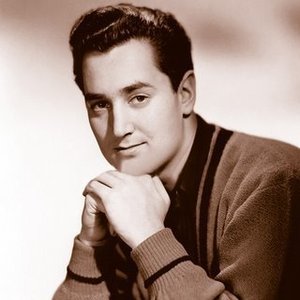 Sedaka and Greenfield came up with a tune dedicated to Neil’s former high school sweetheart and fellow Aldon songwriter, Carole King. “Oh Carol” hit the Top Ten in late 1959 and touched off a successful string of hits, including “Happy Birthday Sweet Sixteen,” “Calendar Girl,” “Next Door to an Angel,” and “Breaking Up Is Hard to Do,” which became his first #1 record.
The British Invasion sent his career into a decline, as it did for many other American rockers. Neil took his family and relocated to England, while he also began a new partnership with lyricist Phil Cody. In 1972, Sedaka was approached by ABBA to help write lyrics for one of their early singles, feeling he would have a better feel for English than the native-born Swedes. He wrote the lyrics for “Ring, Ring,” which became one of the group's very first hits outside of their native country.
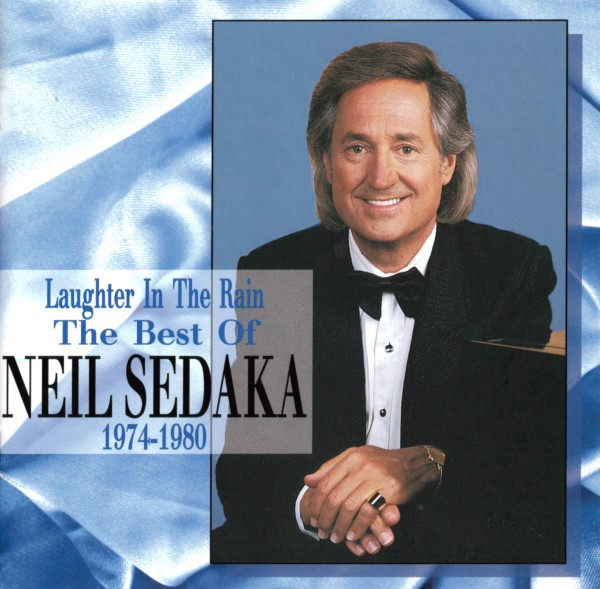 Sedaka continued to record without much commercial success, but in 1975, two American acts would cover Sedaka songs and launch his comeback. First, the Carpenters recorded “Solitaire,” which reached #1 on Billboard’s Adult Contemporary chart and #17 on its pop chart. Then, the Captain and Tennille had their breakthrough single with Sedaka’s “Love Will Keep Us Together,” even going so far as to sing “Sedaka is back” over the fadeout.
Sedaka himself returned to the charts by re-recording a slower version of his biggest hit, “Breaking Up Is Hard to Do,” along with new songs like “Laughter in the Rain” and a duet with Elton John on another Sedaka-Cody song called “Bad Blood,” which became Neil’s second #1 hit.
Sedaka continued writing and performing, producing short-form online videos right up to 2025. He was inducted into the Songwriters Hall of Fame in 1983 and has a star on Hollywood’s Walk of Fame. His son, Marc Sedaka, is a screenwriter, and his grandson, Mike, is also a musician.