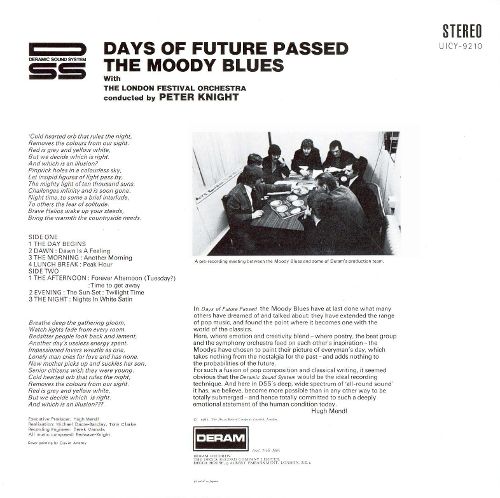


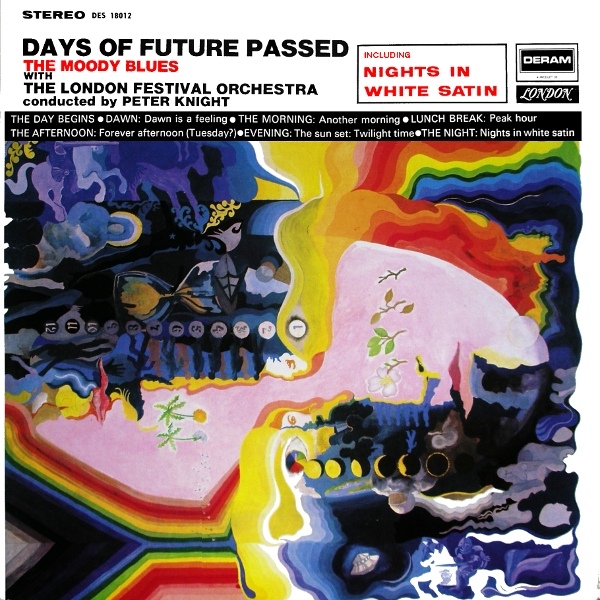
 With the release of “Days of Future Passed," the Moody Blues went from “one hit wonders” to virtually pioneering the musical form that came to be known as “progressive rock.”
The Moody Blues began life as just another band from Britain that performed covers of American r&b records. They scored one hit with “Go Now” during the first wave of the British Invasion in 1964. But like a lot of the white boys performing American black music, they found follow-up success elusive.
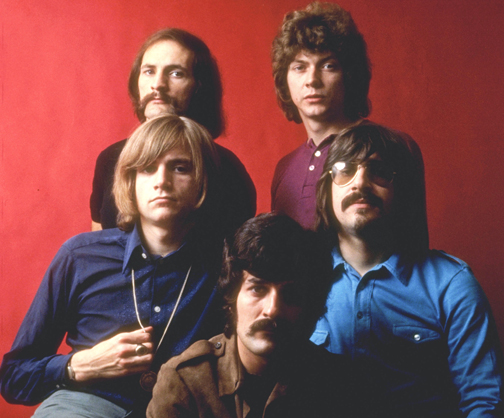
Between ’64 and ’67, the band reinvented itself with original members Denny Laine and Clint Warwick departing and new members Justin Hayward and John Lodge joining Ray Thomas, Mike Pinder, and Graeme Edge. Their sound became more ambitious as keyboardist Pinder picked up a new instrument called a mellotron, which was capable of producing sounds very close to an orchestra’s string section.
 The stunning success of the Beatles’ “Sgt. Pepper” album sent rock bands everywhere scurrying to create their own concept albums. The band’s label, Deram – a subsidiary of Decca – asked if they would like to record their second album with the London Festival Orchestra to demonstrate the potential of Decca’s new recording studio. Inspired, the Moodies hit on a truly great concept…an album that would cover a single day from dawn until night.
While the album took over 6 months to record (May through early November in 1967), the project isn’t really much of a collaboration between the orchestra and the band. In fact, they only perform together on “Nights in White Satin.” The rest of the album either features the band or the orchestra, but not playing together.
Hard to believe, but “Days of Future Passed” did not find much success initially. The first single released was “Tuesday Afternoon” [listed on the album under the title “Forever Afternoon (Tuesday?)”]. The song cracked the American Top 40, peaking at #24, while completely failing to chart in their native England. The follow-up, “Nights in White Satin,” bombed in both countries.
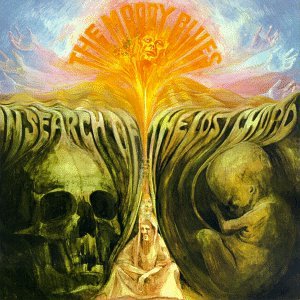 But the album pleased their label enough that they were given another shot. Their third album, “In Search of the Lost Chord,” quickly became a staple of early progressive radio. Its success sent listeners in search, not of the lost chord, but of the band’s previous album, “Days of Future Passed.”
As copies of the album finally began to sell, Deram re-released “Nights in White Satin” in 1972. This time, it shot up the charts on both sides of the Atlantic and became the Moody Blues' signature song.
Of course, the Moodies went on to a long, successful career. Original bandmate Denny Laine eventually found success with Paul McCartney’s Wings, and “Days of Future Passed” is now recognized as one of the first and best progressive rock albums and an essential part of any Baby Boomer's music collection.